2020 At a Distance

On 16 March 2020, just after 5pm, I left the office, locked the door and walked home. I remember that journey home with a strange clarity: even at the time it felt like a significant transitional moment.

Later that evening I sent a message to my colleagues: ‘Following the updated Government advice recommending home-working where at all possible, I’ve taken the decision to close the office as from this evening.’ It would be nearly two years before we all returned to office working.

Three of my small work team were already ill, one quite seriously so. We assumed that they had come down with the terrifying new Coronavirus, but there were no tests. Suddenly everything seemed risky, from touching surfaces to going to the shops. I fully expected to be struck down next.

On 19 March, as the world continued to shut down, I wrote to a friend, ‘This new and fast-changing reality is hard to adjust to’. Things were moving too quickly to process fully. It was incomprehensible that we should be denied that most fundamental human need to be with other people.

We did adjust to it because we had to. Surprisingly soon, it was hard to remember a world without restrictions, masks and social-distance. Most of us moved online, relieved at least to be able to continue our lives in the virtual world for the time being.

Four years on, I think of 2020 as an unreal, dystopian time of suppressed fear and shock, from which we are still emerging, shaken and scarred. Wary and anxious, I continue to avoid large crowds, and buy tickets with cancellation options – just in case. But occasionally, at dinner with friends or travelling on the Tube, I’m struck afresh by the novelty of being able to mingle freely, unthinkingly, with other people again. In that brief moment of awareness, it feels extraordinary.

London Burning

While we holiday in the North, London burns. The July heat is extreme, unimaginable, unprecedented. After months without rain, the dry city is like kindling, set alight by random sparks. From a distance it feels like the Apocalypse.

By the time we return, it’s cooler and the fires have been extinguished. London gets back to normal with a weary sense of catastrophe just averted. But the searing heat has left scars. Autumn has arrived early, with piles of dry brown leaves littering our open spaces. The grass is bleached a dirty white, a negative version of itself. A world turned topsy-turvy, and I feel helpless.

Covid in Maytime

A faint double red line appears quickly in the test window, confirming the inevitable. Two years, three vaccine shots and countless negative tests into the pandemic, my body’s defences have at last been broken. The pandemic has become personal.

It’s beautiful May again, and the windows are open to let in a gentle breeze. Upstairs I doze off to a soothing mixtape of birdsong, Radio 4 and the stray sounds of other people’s lives.

By day three, the fever has gone. The morning is gloriously light and the street trees are at peak-green. I want to re-join the world! But by the time I get out into the garden my enthusiasm’s gone flat, my energy dissipated. I’m desperately tired and there’s no quick fix.

The route to recovery is jolting and uneven. I’m told to rest but I’m a poor patient, grumpy and frustrated by my slow improvement. But as the days progress I find moments of stillness outdoors, distracted by the small-scale life of the garden. That plump strutting blackbird with its cheery inquisitive air; the pretty lilac butterfly hurrying past. And such a dazzlingly perfect white rose! Maytime is optimistic, and I’m getting better.

Omicron Blues

When I arrive for my third vaccine jab it’s grey and drizzly and the trees are almost colourless. I know the ropes, but there’s no sense of ceremony this time. It’s only just past 10am and already it’s clear that the orderly flow of people will soon become a jam. Seats fill up in the waiting area as doctors pause to refill their vaccine supplies. When it’s my turn, the doctor confides that she’s not sure how she’ll get through the day. The omicron variant has arrived and we’re all desperate to get boosted.

Weary and disillusioned, we’re heading into a long winter of the Omicron Blues.

Borderlines

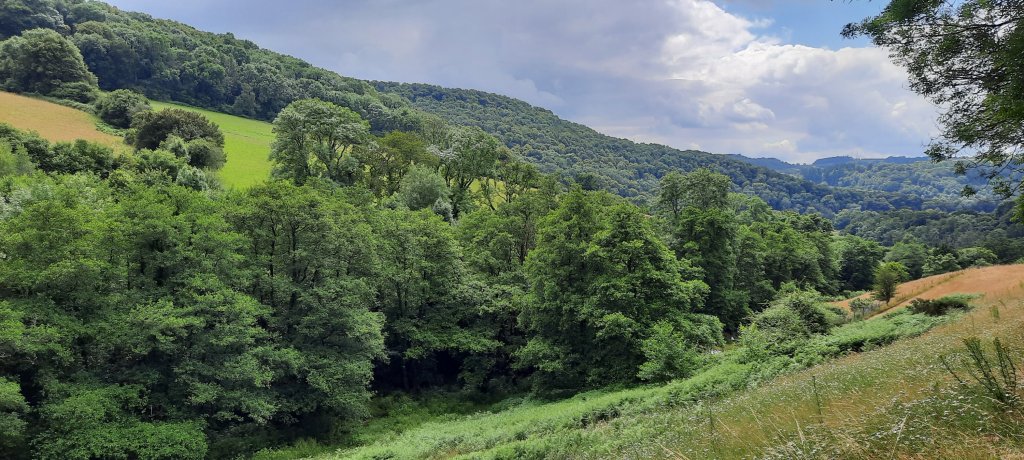
I’ve grown accustomed to this mesmerising landscape with its vast skies, deep green valleys and alluring light at the border of Wales, and now it’s nearly time for us to leave. The soft pink light fades quickly to dusk; the valley resonates with gentle bird chatter and then settles into silence as another day ends in this country idyll far away from home.

Tomorrow we’ll be back in the city, returning with strange discontinuity to the routines and stresses of our other, urban life. But for now I’m at the edge of this dream world, watching the night envelop the valley, prolonging the idyll.

The Anniversary of Spring

It’s glorious Spring weather and outside it’s intoxicatingly bright. Outdoors is the place to be! The lure of unencumbered sunshine, those soft shadows, that gorgeous blossom. And birds chattering inconsequentially: life carrying on.

Indoors in the John Scott Health Centre we all wear masks. We sit at a safe distance from one another and study the information sheets we’ve just been given. Capable volunteers in high-vis vests marshal us from one waiting space to the next in a carefully streamlined operation. We’re slightly on edge at the newness of the experience, but not fearful. When we emerge into the sunshine it’s with a feeling of wonderful release: a gentle pin-prick has given us the ability to hope again.

A year on from our first lockdown, in the midst of another enchanting Spring, London is slowly, tentatively emerging.

The Mean Time

They appeared quite suddenly at the left-hand edge of my vision: long, dark wispy shapes like strands of windswept hair, intruding on my lunch one Saturday in December when it was barely light outside. Later, getting up in the dark, I noticed a strange flickering brightness just visible at the same left-hand edge. It felt sinister and unsettling.

It was a week before Christmas and a new variant virus was spreading with great speed across the city. By the time I reached the eye hospital the next morning, London had entered a new level of lockdown and plans for the festivities were being hastily redrawn.

The hole in my retina was small and neat, the pleasant doctor told me, and the laser treatment straightforward. They could do it that afternoon, in fact. No side-effects other than a very small risk of permanent blindness if I moved during the procedure.

It was all over in a matter of minutes: short bursts of intense, yellow glare which left a heavy ache and temporary darkness but no pain. I steadied myself by preparing for the worst, checking off the things I could still enjoy in a life with reduced sight.

My follow-up appointment was set for 7th January. On 6th January the country went into full lockdown. Stay-at-home orders were issued. We were entering the meanest season of the year, drab and lightless, and there was nothing to do. Visiting a hospital felt full of risk.

But when it came, the day was bright, energised by a soft, low winter sun. I walked along the winding, wooded New River path towards the eye hospital absorbing the pattern of delicate, dark branches set against the pale light, storing up the images for future review. The moment felt hopeful.

A London Lockdown Diary 2020

Saturday 21 March

It’s the glorious first day of Spring and outside it’s intoxicatingly bright. Outdoors is the place to be! The lure of unencumbered sunshine, those soft shadows, that gorgeous blossom. And birds chattering inconsequentially: life carrying on.

Indoors, every action feels portentous. Carefree leisure time is already an outmoded luxury. Only necessity drives us outdoors, faces turned away from others or half-hidden under masks and scarves, commercial transactions efficiently swift.

In the midst of an enchanting Spring, London is slowly, reluctantly shutting down.

Tuesday 24 March

Horrible, headachey insomnia. And in the morning, again those serene cloudless skies which have become the incongruous backdrop to our lockdown.

When I venture outside later I’m disoriented by a hazy white light and a fleeting sensory memory of careless summer. But the trees are still bare, their matrix of branches in dark relief against the brightness, and nobody lingers on the vacant streets.

Exercise and food shopping are still permitted, but physical proximity to others has become a tense affair. Instead we commune online, with intense, jerky group chat and the joyous humour of fearful times.

Saturday 4 April

V has died. I hear the news accidentally, in a message intended for someone else. It was the Virus, they say, and quite sudden. No other facts. It’s shocking and incomprehensible, a brutal reminder of the terrifying possibilities which my busy online schedule keeps at one remove.

The news of her death is made more unreal by physical isolation. When everyone is absent, how can one process this permanent loss? I’m haunted by her smile and the lyrical intonation of her voice.

The world around me has become smaller and quieter. I watch my new friend the blackbird potter confidently across our patio, basking in the novelty of his sunlit playground.

Saturday 25 April

We’ve been holed up together for over a month now, my family and I, and there’s a new rhythm to our quarantine days. How quickly the unthinkable becomes routine. The tragedy being played out on the global stage feels remote and unreal, the stuff of nightmares. The drama of our daily lives is tangible and domestic, with minor battles waged over food, disrupted sleep and the allocation of our shared space. Some of us find new meaning in simple pleasures. The teenager escapes with his smartphone and his play-station.

When there’s so little to do, regularity and routine are the only props we have to prevent the days colliding into an amorphous mass of time. My work feels both necessary and urgent: it’s about the survival of my personal project, and the survival of the business. I feel driven as never before, and it’s exhausting.

Over the last month, Spring has morphed into early Summer: those bare branches have been transformed by an abundance of fresh colour, and the light is exhilerating. London lockdown in bright technicolour adds an extra strangeness. Will the horrors of coronavirus be forever associated with surreally beautiful weather?

Sunday 24 May

Another month. In the garden, the anarchic tangle of the hedge is spotted with colour, and the honeysuckle reeks. The days stretch longer.

Routine does a good job of distracting me, but it can’t paper over the anxiety of lockdown, which surfaces at unexpected moments. It’s there in the tightness which I feel across my body when I wake in the early hours, or the eczema which erupts without warning on my hands and wrist, or the occasional moments of intense longing to be with friends again.

Nights are strange and unpredictable. The teenager’s sleep patterns have shifted so far out of kilter with normality that night-time has become his wake-time, and I’m disturbed by stray sounds of phone conversations or doors banging or just by an unsettling awareness of his awakeness. Sometimes we meet for breakfast, before he totters off to sleep for the day.

The days pass quickly. I savour my daily walk in the park, which has become the most beautiful place on earth.

Sunday 14 June

Yesterday, Saturday 13 June – exactly three months since we last met friends for dinner in town, slightly on edge even then from the riskiness of the outing – I met up with three friends in our local park. It felt momentous, a small marker of freedom regained. I wallowed for several hours in the warm afterglow of pleasurable social interraction.

Saturday 8 August

Lockdown is still with us but I’ve become less sure of its parameters. Daily life has become a series of conflicted personal choices. Is it now safe to get my hair cut? I’m longing to control my flyaway locks so submit to the new Covid-era rituals of pre-salon health-questionnaire, temperature check on arrival, mask-wearing and sanitisation throughout – all designed to reassure. But my stylist gets very close and I’m ill at ease.

Riding on public transport still feels like a step too far, so for my mother’s 83rd birthday I walk the four miles each way to visit her. I’m her first visitor since she went into strict isolation in late March, and I feel the weight of responsibility. She greets me in her garden from behind a mask, standing at great distance, unsure how close it’s safe to get to this intruder from the outside world. Over two hours of 2-metre-distanced tea and chat outdoors the barriers slowly lower. Psychological lockdown is the hardest to emerge from.

The teenager has no such qualms, and is also the most cheerfully accepting of mask-wearing as a necessary condition of his limited freedoms. He grasps this moment of opportunity to be outdoors with friends over the hot summer, and doesn’t think too far ahead.
After Sweden

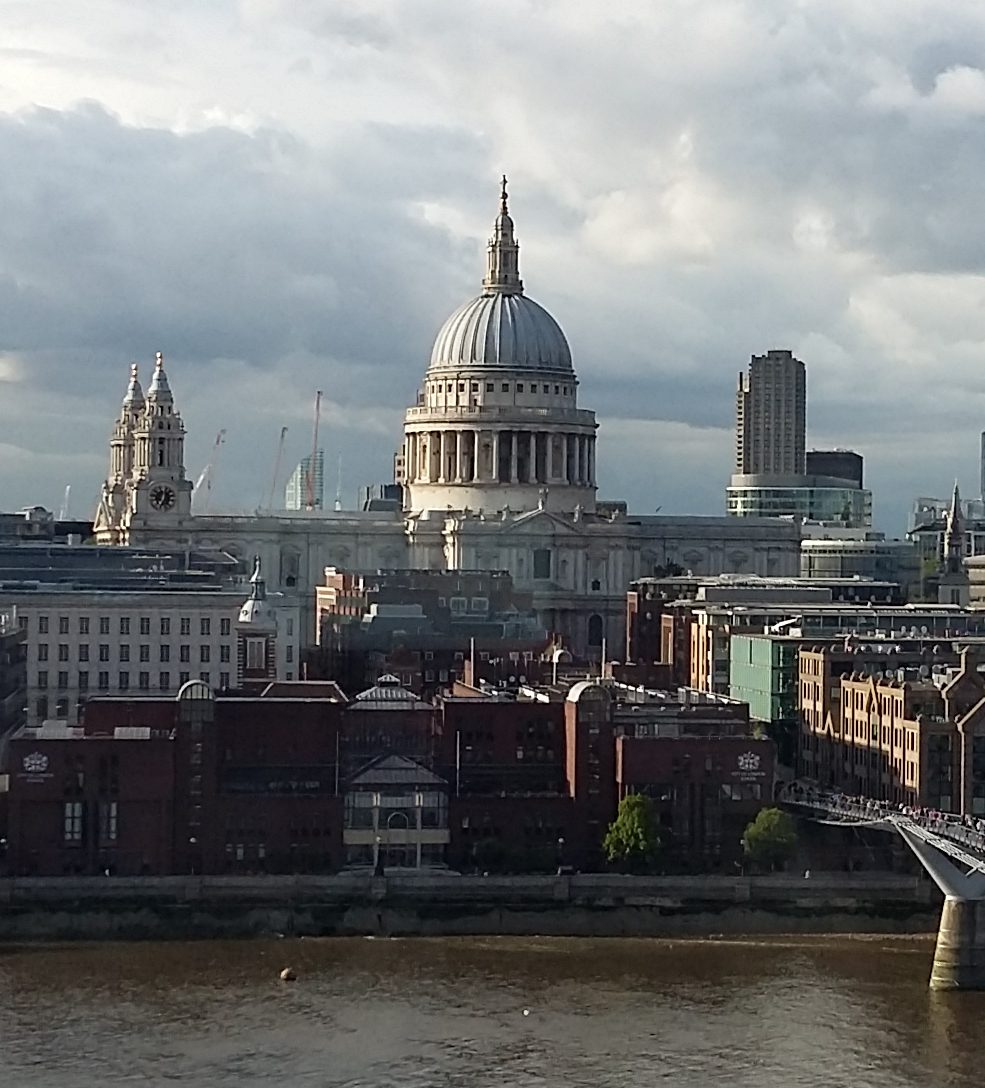
Returning after a week in Sweden, London is hot, airless and choked with dirt, its spaces small and clunky. We come back late at night, delayed by stalled trains, to a city disintegrating in heat, rubbish and the aftermath of World Cup revelries, the party long past over. It’s smelly and chaotic and nobody cares much.

I dream of a shimmering soft light, dark pines, cool air, and effortlessly stylish white interiors.

June, lovely June

For a week only, the most beautiful June days unfold. A cliche of English summertime: picnic-perfect skies, strong midsummer shadows, and a gleaming palette of primary colours recalling idealised childhood summers. The fullness of it, gently arousing the senses. That honeysuckle! Those roses!

I stop and savour this exquisite time in an unfamiliar London.